Progress measured against the plan
Walnut Grove Home Remodeling, Measured Against a Written Schedule
Whole-home renovations, basements, kitchens and baths around Walnut Grove, each run on a written schedule, with regular updates that measure the work against those dates.
Go straight to a project

What You Can Check
-
Dates before demolition
The written schedule is in your hands before the first wall is opened.
-
Readings, not reassurance
Each update checks progress against the schedule and flags any date that has moved, and why.
-
Itemized before you sign
Scope, materials and price arrive line by line, so you can read every item before agreeing.
-
A 1-year warranty
The last line on the schedule is the walkthrough; after it, a 1-year warranty covers our work.
The Work, by Project
Our focus is whole-house renovations and basement finishing, with kitchen and bath remodels next in line. ADUs, additions and painting run on the same staged schedule with the same steady reporting.
-

Whole-Home Renovations
Most or all of the house updated in one sequenced job, so you know in advance which rooms are unusable and for how long.
-

Basement Finishing & Remodeling
Unfinished or dated basements turned into family rooms, offices, guest suites or bedrooms, with a moisture check before any framing goes up.
-

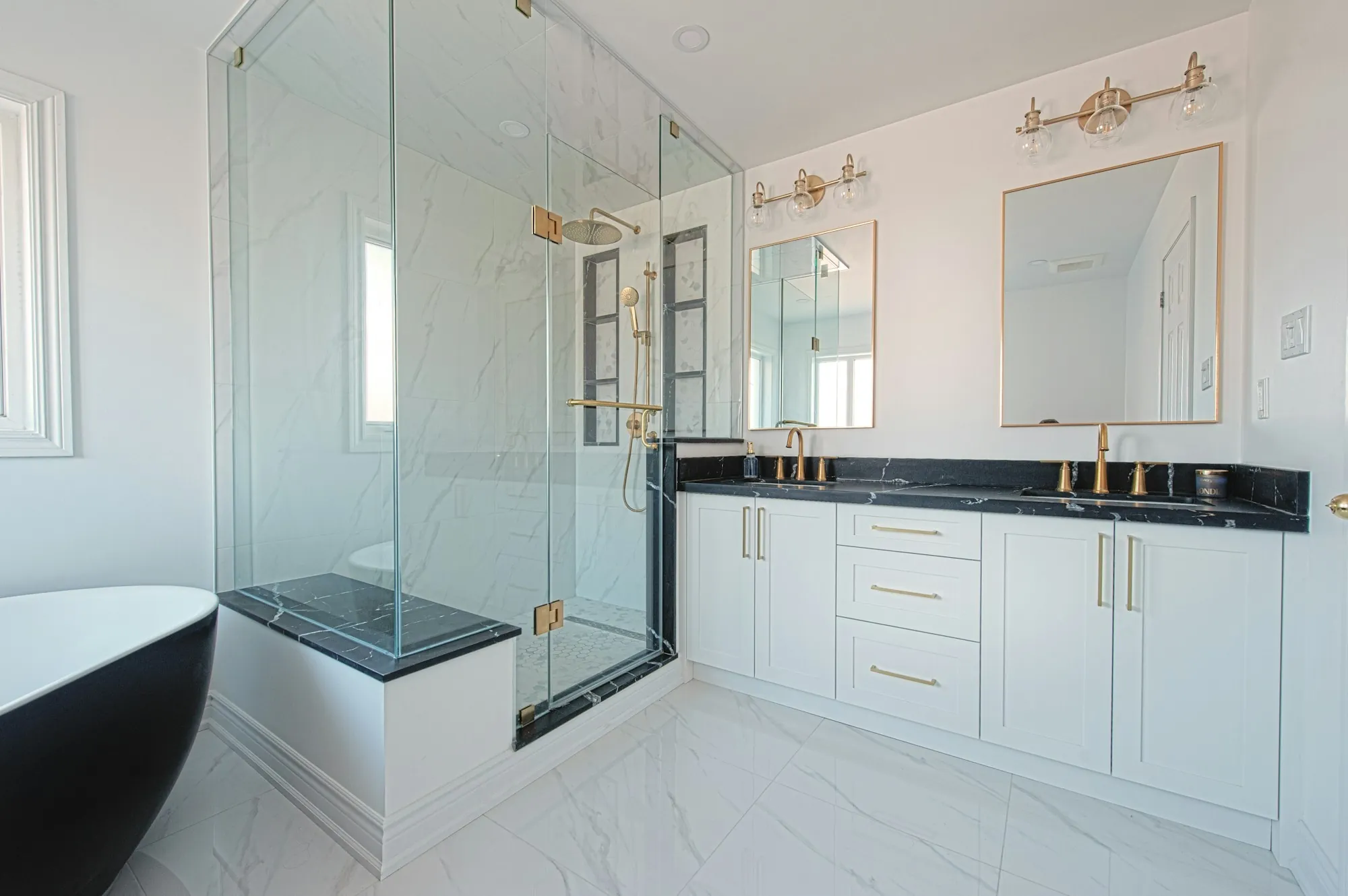
Bathroom Remodeling
Hall, guest and primary baths, from new tile and a vanity to a full gut, with out-of-service days set in writing.
-
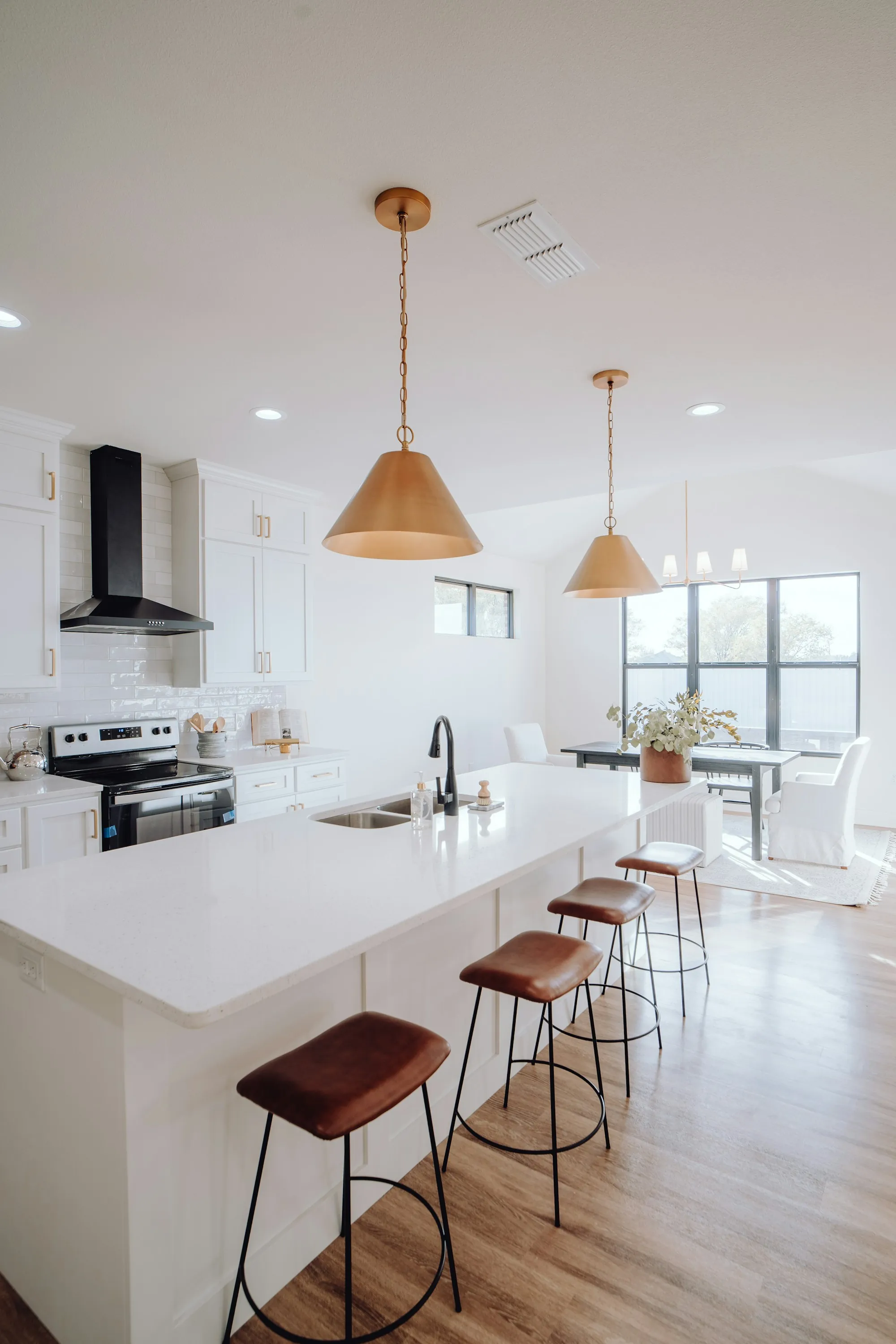
Kitchen Remodeling
Cabinets, counters, lighting or a full layout change, sequenced so you know how many weeks you'll cook somewhere else.
-
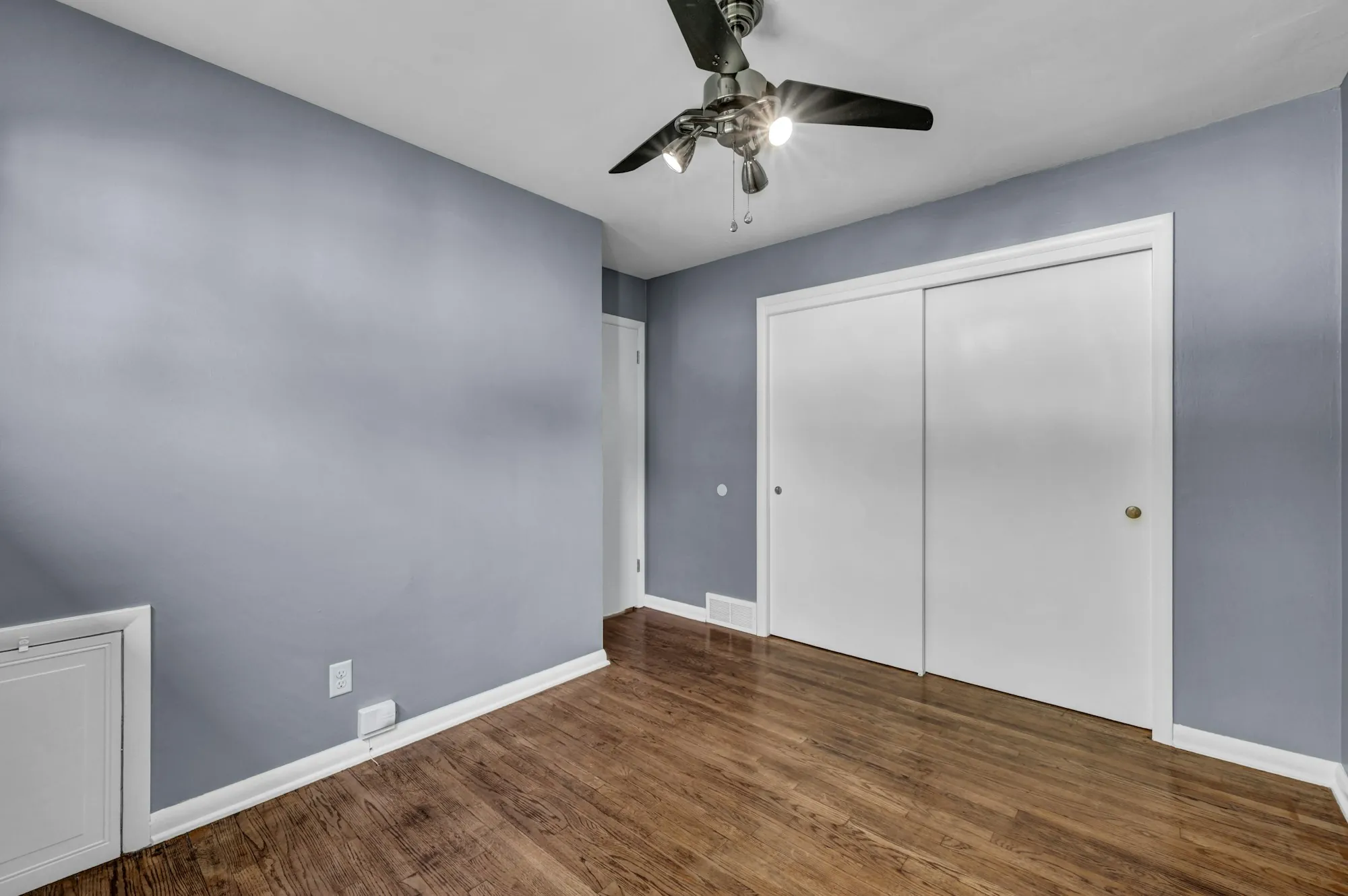
Interior & Exterior Painting
Inside rooms, cabinets and exterior trim and walls, each patched, sanded and primed before the first coat of color.
-

Home Additions
Bedrooms, primary suites and bump-outs built onto your house in stages, from foundation to the day the new wall opens.
-
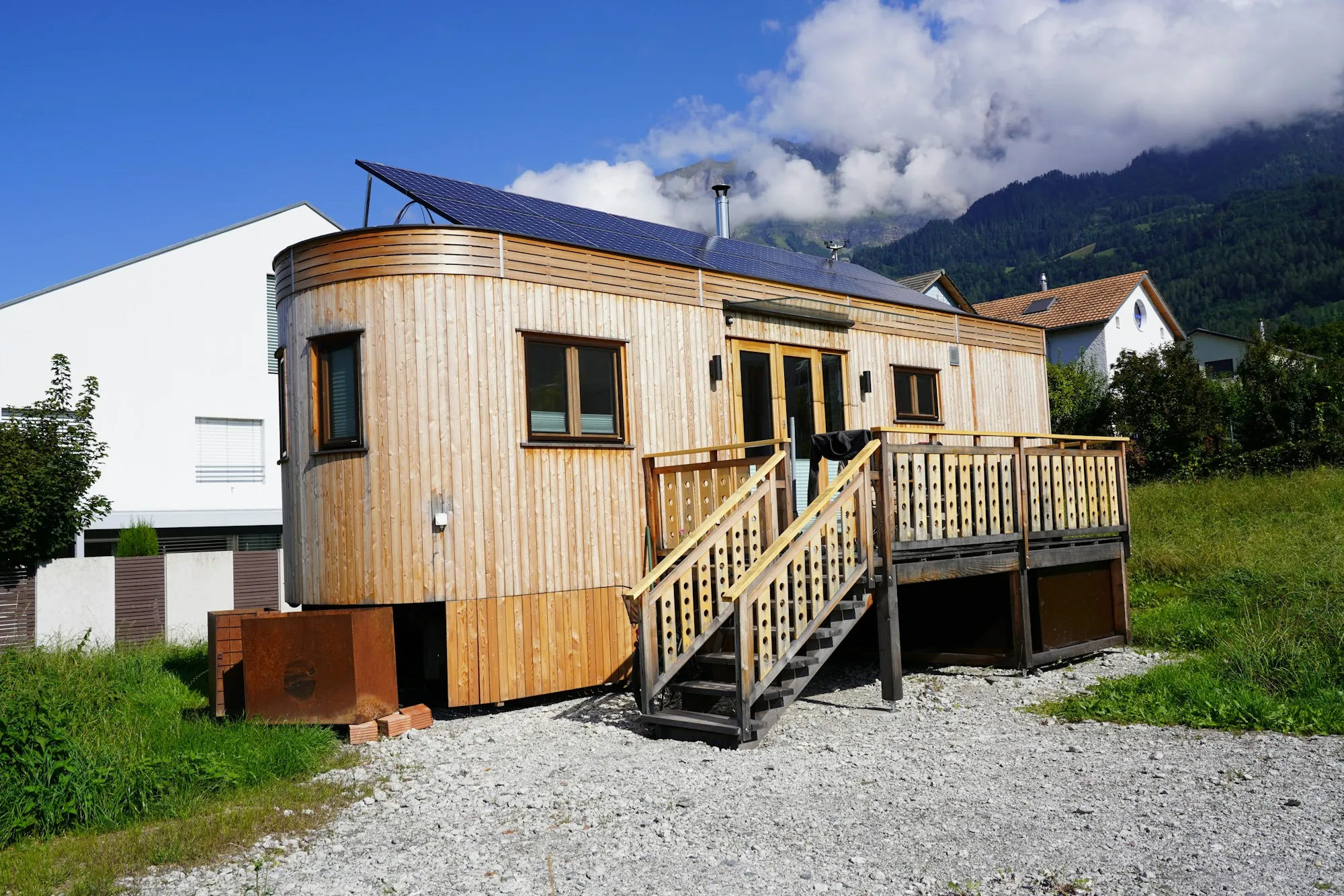
ADU Construction
Detached, attached or garage-conversion units for family or rental use, where zoning allows, built in dated stages.
Why Our Dates Hold Up
Writing dates down is easy. Meeting them takes the five habits below.
-
Every Line Priced First
Before a start date exists, you have the scope, the materials and the cost itemized on paper. A schedule built on a vague price tends to slip, so the price comes first.
-
One Contract Sets the Order
Carpentry, tile, paint and any rerouted pipes or new circuits the layout needs all sit under one contract with us. That puts the sequence of trades in one set of hands instead of three separate calendars.
-
Updates Against the Plan
You get the written schedule before work begins, then regular updates comparing where the job is with where the schedule says it should be. Questions you leave get returned promptly by phone.
-
Changes Signed, Dates Reissued
Add a closet or uncover rotted framing, and the extra work is priced on a written change order. You decide; if you sign, the schedule is reissued to show the new dates.
-
A House You Can Still Use
Before demolition, the floors between your door and the work zone are covered and the zone itself is closed off with plastic. Debris goes out daily, so the rooms you still use stay usable.
How a Job Gets Its Dates
Three steps. The schedule is drafted in the second and measured against in the third.
-
The First Call
Tell us what you want changed and when you'd like the work behind you. We'll ask about the house and explain roughly how a project of that size is staged.
-
A Plan You Can Check
If it's a fit, we see the rooms and measure. You then receive an itemized scope and a written schedule broken into stages, and work starts once both look right to you.
-
Work, Measured as It Goes
Crews move through the stages with floors protected and the site cleaned daily. Regular updates tell you where things stand against the schedule, and the job closes with a walkthrough of every finished room.
What Does a Progress Update Look Like?
Ask us on the phone. We'll describe what an update covers, how often to expect one on a project your size and what we do when a date has to move.
Where We Take Projects
We work out of Walnut Grove and across five neighboring towns. Short drives mean less travel time padding your schedule.
Check the town list- Walnut Grove
- Loganville
- Monroe
- Social Circle
- Between
- Grayson
What Homeowners Ask Us
What keeps dust and damage out of the rooms we're still using?
Protection is the first task on the schedule, ahead of demolition. Coverings go down on every floor the crew will walk, and plastic sheeting separates the work zone from the rest of the house. Debris leaves the house daily and the area is swept and vacuumed before the crew goes. When a step is especially dusty, like sanding drywall, the update before it tells you to keep doors shut.
Which remodeling projects add the most value?
It depends on the house and how long you'll stay. Kitchens and bathrooms are what buyers look at hardest, and a dated one can drag down an otherwise good house. Extra finished space, like a basement family room or an added bedroom, changes how the house is listed. Fresh paint is the least costly visible update. If you're staying for years, weigh resale against how much you'll use the space.
What makes one kitchen remodel cost more than another?
Layout, more than anything. If the sink, range and refrigerator stay where they are, the new kitchen reuses the existing drain, gas and wiring. Relocating them, or putting a sink in an island, means new runs and sometimes reframing. Next in line: how the cabinets are built, the countertop material, lighting and appliances. All of it is itemized in writing, so you can see what drives the number before you sign.
Does a remodel like mine require a permit?
Usually, when the work changes structure, moves drains or supply lines, adds circuits or adds square footage; additions and ADUs almost always qualify. Repainting or a like-for-like swap generally doesn't. On the call we'll say what your project is likely to need. Everything we build is meant to pass inspection, and those inspection points sit on your written schedule because they decide when walls can close.
What if something changes after work starts?
Two things can change a job midstream: you change your mind, or the house surprises us. Either way, the extra work is described and priced on a written change order, along with how many days it adds. You sign before it's built. Then we reissue the schedule, so the dates you're holding stay accurate.
How long does a kitchen remodel usually take?
For a kitchen that keeps its layout, think several weeks of construction; one that loses a wall or gains an island runs longer. Delivery times often matter more than labor, which is why long-lead items are ordered early. You'll see each stage on the written schedule, from tear-out through backsplash, and every update tells you whether the day you can cook at home again is still on track.
Is there a 1-year warranty on your work?
Yes, a 1-year warranty on our work, starting when the project is finished. If a question comes up during that first year, phone the number at the top of this page and we'll go over it with you. We're glad to explain how the warranty works on your first call, before you commit to anything.
Run by the Schedule, Reported Plainly
We're a remodeling company that treats the written schedule as something to answer for. You get the dates before work begins, updates that compare progress with them and early word when something shifts.
Start With When
Have two things in mind: the rooms you'd change and the month you'd like them finished. From there we can lay out the stages and talk about how realistic that month is.